2026-11-05 · Steve Thompson
Spring Storm Season: Protecting Your Texarkana Roof
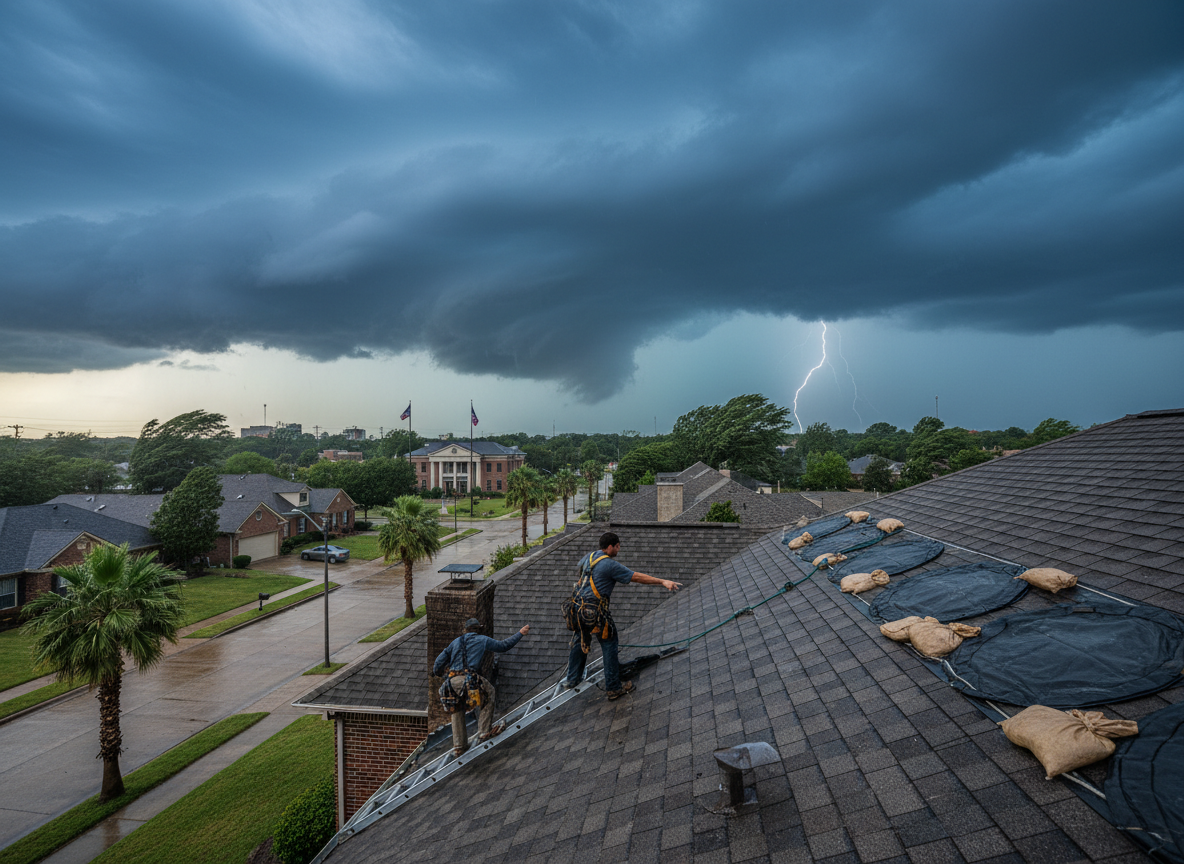
Protecting your Texarkana roof during spring storm season begins with scheduling a thorough inspection in late winter and sealing known weak points before frequent thunderstorms arrive. Bowie County sees repeated lines of storms that bring high winds, hail, and heavy rain, which test older shingle roofs on homes built decades ago in areas such as Downtown Texarkana and Nash. Homeowners who wait until after the first big event often face leaks around chimneys and valleys that could have been caught earlier.
Preparing Roofs for Bowie County Thunderstorms
Texarkana experiences hot humid summers followed by mild winters, yet spring brings the most intense thunderstorm activity. These systems often track across the region and drop large hail or gusts that lift shingles on homes along Richmond Road and near the Perot Theatre. Checking flashing around skylights and ensuring gutters remain clear reduces the chance of water backing up under the roof deck during a downpour. In Wake Village and Nash, many single-story homes from the 1960s and 1970s have asphalt shingles that lose granules after repeated storms, making early spring the best window to replace damaged sections before humidity returns. Residents near Spring Lake Park should also watch for tree limbs that overhang roofs and can become projectiles in high winds.
Inspecting for Hidden Damage in Local Neighborhoods
A careful walk-around reveals missing shingles, dented flashing, and granule loss in gutters that signal trouble after winter. In the Texas Boulevard Historic District, older structures often have steeper pitches that shed water well but can trap debris in valleys during heavy rain. Homeowners in New Boston and nearby communities notice similar patterns on roofs exposed to prevailing winds. Scheduling a professional roof inspection helps identify issues such as lifted tabs or cracked seals before the next line of storms forms. Checking attic insulation for wet spots after each event prevents hidden mold growth that thrives in the area’s humidity.
Post-Storm Actions for Texarkana Homeowners
After a thunderstorm passes, examine the roof from the ground first and look for new debris piles or displaced shingles near the Ace of Clubs House area and Texarkana Regional Airport flight path. Document any visible damage with photos before contacting a contractor. Storm damage repair often involves replacing individual shingles or sections rather than full replacement when caught early. In Richmond Road neighborhoods, crews frequently address wind-driven rain that forces water under ridge vents. Waiting too long allows small leaks to saturate decking, especially on homes with limited attic ventilation common in Bowie County.
Knowing When Replacement Becomes Necessary
Repeated spring storms can shorten roof life on Texarkana homes, particularly those with south-facing slopes that receive the most sun and heat. When multiple leaks appear or granule loss reaches the point where black mat shows through, replacement often makes more sense than repeated repairs. Signs your Texarkana roof needs replacement include widespread curling shingles and sagging areas near the Texarkana Museum. Comparing metal and shingle options for East Texas conditions helps owners decide on materials that better withstand humidity and hail. Metal vs shingle roofing for East Texas heat and humidity outlines performance differences relevant to local weather patterns.